Counselling, Psychotherapy & Coaching
Support for addiction, anxiety, depression, and the life you want to build.
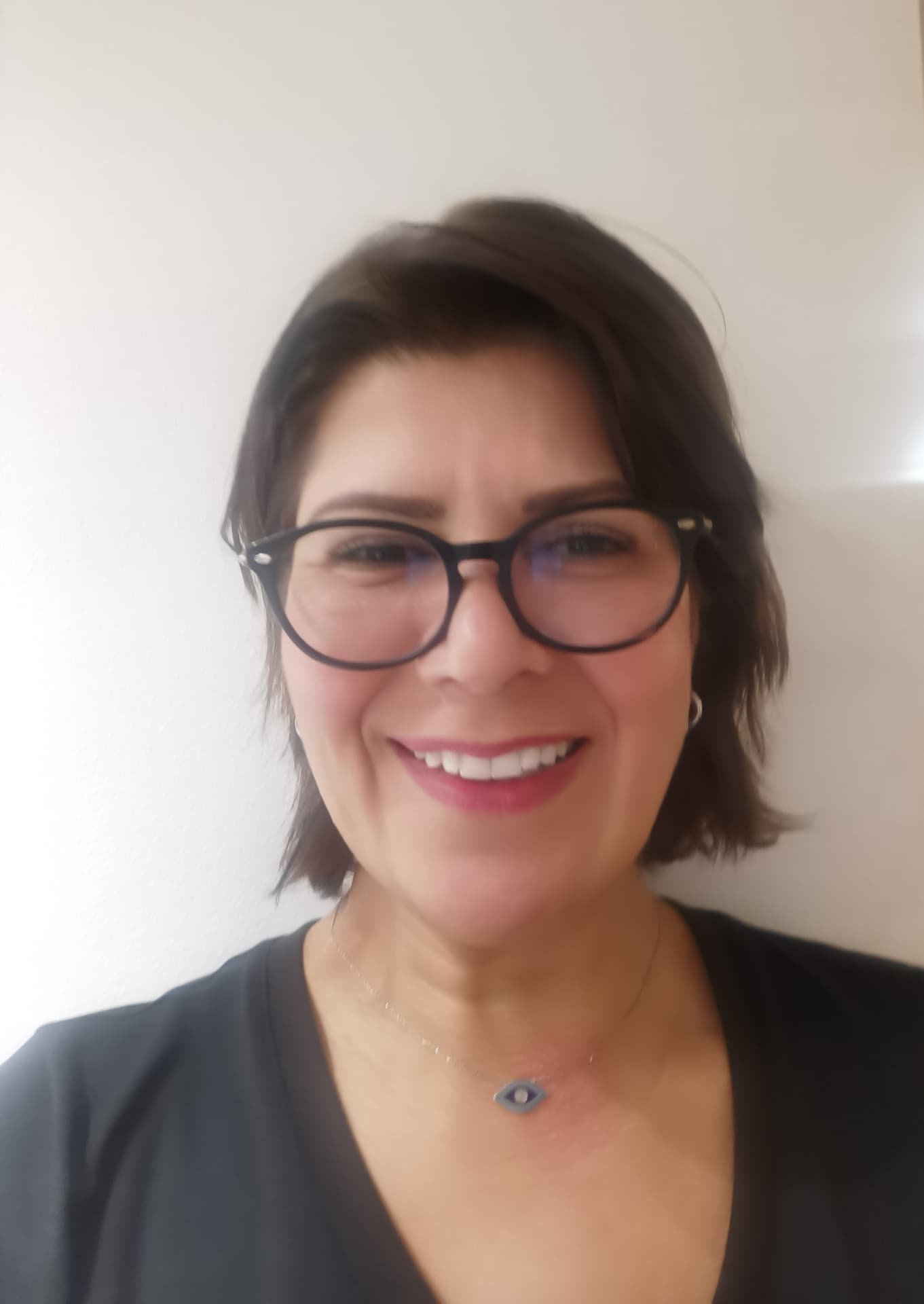
Hi, I'm Aida Mozayyan — a psychotherapist, addiction counsellor and NLP practitioner, in private practice since 2017. I offer short- and long-term counselling and psychotherapy for issues including addiction, recovery, relapse prevention, depression, anxiety, assertiveness, and self-criticism, as well as life and performance coaching to help you set goals and achieve them. I am currently a final-year doctoral student in Counselling Psychology.
Approach & Specialisms
My work is integrative and collaborative. I draw on CBT, psychodynamic, and mindfulness-based approaches, alongside NLP and coaching techniques, to tailor support to your unique situation, pace, and goals.
Addiction & Recovery Support
Specialist support for drug and alcohol addiction, early recovery, relapse prevention, and building sustainable coping strategies.
Cognitive Behavioural Therapy (CBT)
Practical, evidence-based techniques to identify unhelpful thought patterns and build healthier responses to depression, anxiety, and self-criticism.
Psychodynamic Therapy
A reflective space to explore past experiences, unconscious patterns, and the roots of emotional difficulty.
Person-Centred Approach
A warm, non-judgemental space where you are met with genuine acceptance and empathy, trusting your own capacity to grow and find your direction.
Humanistic Approach
A humanistic way of working that humanises the person rather than pathologising them. It is about seeing the human behind the problem, recognising your strengths, choices, and capacity for growth.
Internal Family Systems (IFS)
A compassionate, evidence-informed approach that views the mind as made up of protective 'parts'. We work together to understand these parts, heal wounded inner experiences, and restore balance and self-leadership.
Transactional Analysis
A practical framework for understanding how we relate to ourselves and others. It helps identify unhelpful patterns of communication and early life decisions, creating space for healthier, more authentic relationships.
Solution Focused Therapy
A brief, goal-directed approach that focuses on your strengths, resources, and preferred future. Rather than dwelling on problems, we build practical steps toward the changes you want to see.
Mindfulness & Somatic Practice
Grounding techniques that reconnect mind and body, helping you manage stress, anxiety, and overwhelm with greater ease.
NLP, Life & Performance Coaching
NLP (Neuro-Linguistic Programming) explores how our thoughts, language, and patterns of behaviour shape our experience. It offers practical tools to shift unhelpful habits, improve communication, and build confidence. Combined with goal-oriented coaching, it helps you improve assertiveness, overcome blocks, set meaningful goals, and create a more purposeful direction in life and work.
Top Specialties
Areas where I have focused training, experience, and a strong commitment to helping clients find relief and lasting change.
Addiction
Support for drug and alcohol addiction, early recovery, relapse prevention, and building sustainable coping strategies.
Anxiety
Practical tools to manage worry, panic, social anxiety, and the ways anxiety limits your choices and confidence.
Depression
A compassionate space to address low mood, loss of motivation, self-criticism, and the patterns that keep you stuck.
Issues I Work With
Additional difficulties I regularly support clients through, either as a focus in themselves or alongside a main concern.
How We Can Work Together
Beginning therapy or coaching can feel like a big step. I aim to make it as straightforward and comfortable as possible.
- 01
Book a free introductory call
We’ll have a brief, no-pressure conversation (usually 15–30 minutes) about what brings you here and whether my approach feels right for you.
- 02
Agree a plan that suits you
We’ll discuss session frequency, the focus of our work, and how to make online sessions comfortable for you.
- 03
Begin your sessions
We’ll meet regularly, review progress along the way, and adjust our work as your needs evolve.
Session Information
- Duration
- Individual sessions: 50 minutes
Couples sessions: 90 minutes - Fees
- Individual sessions (50 min): £80
Couples sessions (90 min): £100
Payments are made by bank transfer, just before each session.
Block booking: when you prepay for 10 sessions, your 11th session is free.
Concession rates available on request. - Location
- All sessions are held online via a secure, confidential video platform.
- Cancellation policy
- Sessions cancelled with less than 24 hours' notice are charged at the full session fee.
- Languages
- English, Farsi/Persian and Turkish
What is coaching, and how is it different from therapy?
Both are confidential, collaborative conversations — but they start from different places and move in different directions.
Coaching
Coaching is a forward-focused, goal-oriented partnership. We start from where you are now and work towards what you want to create — clearer goals, better habits, stronger performance, more assertiveness and confidence. Sessions are practical and structured, often including tasks or experiments between meetings, and draw on NLP and performance psychology.
Therapy
Therapy gives space to understand and heal. It works with emotional pain, distress and long-standing patterns — anxiety, depression, trauma, addiction, self-criticism — exploring where they come from and how they still shape you today. The pace is led by what you feel able to explore, and the aim is relief, insight, and lasting change.
In short: therapy often looks at what has hurt and how to heal it; coaching looks at what you want and how to get there. Many people move between the two, and in our first conversation we can decide together which fits you best right now.
Understanding addiction and recovery
What addiction is
Addiction is a pattern of continued use of a substance or behaviour despite the harm it causes. It usually begins as a way of coping — with stress, pain, anxiety, loneliness or trauma — and over time the brain's reward and stress systems adapt, so cravings grow stronger and control becomes harder. It is not a moral failing or a lack of willpower; it is a treatable health difficulty that affects the body, the mind, and relationships.
How recovery works
Recovery is a gradual process rather than a single moment. We begin with safety and stability, then look honestly at triggers and the needs the addiction has been meeting. From there we build practical coping and relapse-prevention skills, strengthen support around you, and work through the underlying emotional pain. Lapses can happen and are treated as information, not failure. Over time, most people rebuild confidence, relationships, and a life that no longer needs the substance or behaviour.
Self-Educational Material
Reading and listening between sessions can deepen the work. These are books and podcast themes I often recommend — a starting point rather than a substitute for therapy.
Recommended Books
I'm OK — You're OK
Thomas A. Harris
A classic introduction to transactional analysis and the patterns behind how we relate to ourselves and others.
Atomic Habits
James Clear
Practical, small-step habit change — useful for recovery routines, goals, and building consistency.
Ego Is the Enemy
Ryan Holiday
On humility, self-honesty, and getting out of your own way.
Solving the Procrastination Puzzle
Timothy A. Pychyl
On procrastination management: why we delay, and how emotion regulation — not discipline — is the answer.
Self-Compassion
Kristin Neff
On meeting self-criticism with kindness, and why self-compassion works better than self-judgement.
How to Be an Adult in Relationships
David Richo
On developing a better relationship with yourself and, from there, with the people around you.
Man's Search for Meaning
Viktor E. Frankl
On finding meaning and purpose even in the hardest circumstances.
It Didn't Start with You
Mark Wolynn
On inherited family trauma and how understanding our family story can help us move forward.
What Happened to You?
Oprah Winfrey & Bruce D. Perry
A compassionate shift from asking 'What is wrong with me?' to 'What happened to me?'
The Compassionate Mind
Paul Gilbert
An accessible guide to compassion-focused therapy: understanding our tricky brains and learning to meet suffering with kindness.
No Bad Parts
Richard C. Schwartz
A clear introduction to Internal Family Systems (IFS) therapy and how every inner 'part' has value, even when its methods cause difficulty.
NLP & Coaching Voices
Thinkers and practitioners whose work on mindset, communication, and personal effectiveness often informs coaching conversations.
Brian Tracy
Known for books such as Eat That Frog! and Goals!, his work on clarity, focus, and self-discipline is widely used in performance coaching.
Jim Rohn
A foundational figure in personal development, author of The Five Major Pieces to the Life Puzzle and The Seasons of Life.
Richard Bandler
Co-creator of Neuro-Linguistic Programming (NLP); key works include The Structure of Magic and Using Your Brain — for a Change.
Tony Robbins
Author of Awaken the Giant Within and Unlimited Power, blending NLP with peak-performance psychology to support lasting change.
Educational Podcast Themes
I often suggest exploring these topics through trusted podcasts. They can offer fresh perspectives, practical tools, and reassurance that you are not alone.
Share your experience
If our work together has been meaningful, a few words from you can help someone else take their first step. Nothing is published without review, and you choose how you are named.
Ready to take the first step?
Reach out for a short, confidential conversation about how I can support you. I aim to respond within 24 business hours to arrange a free introductory call, usually between 15 and 30 minutes.
Prefer email? Aida.mozayyan@city.ac.uk